Dry Cleaning · June 15, 2026 · 7 min read
Delicate Fabrics Explained: How to Care for Linen Without Ruining It
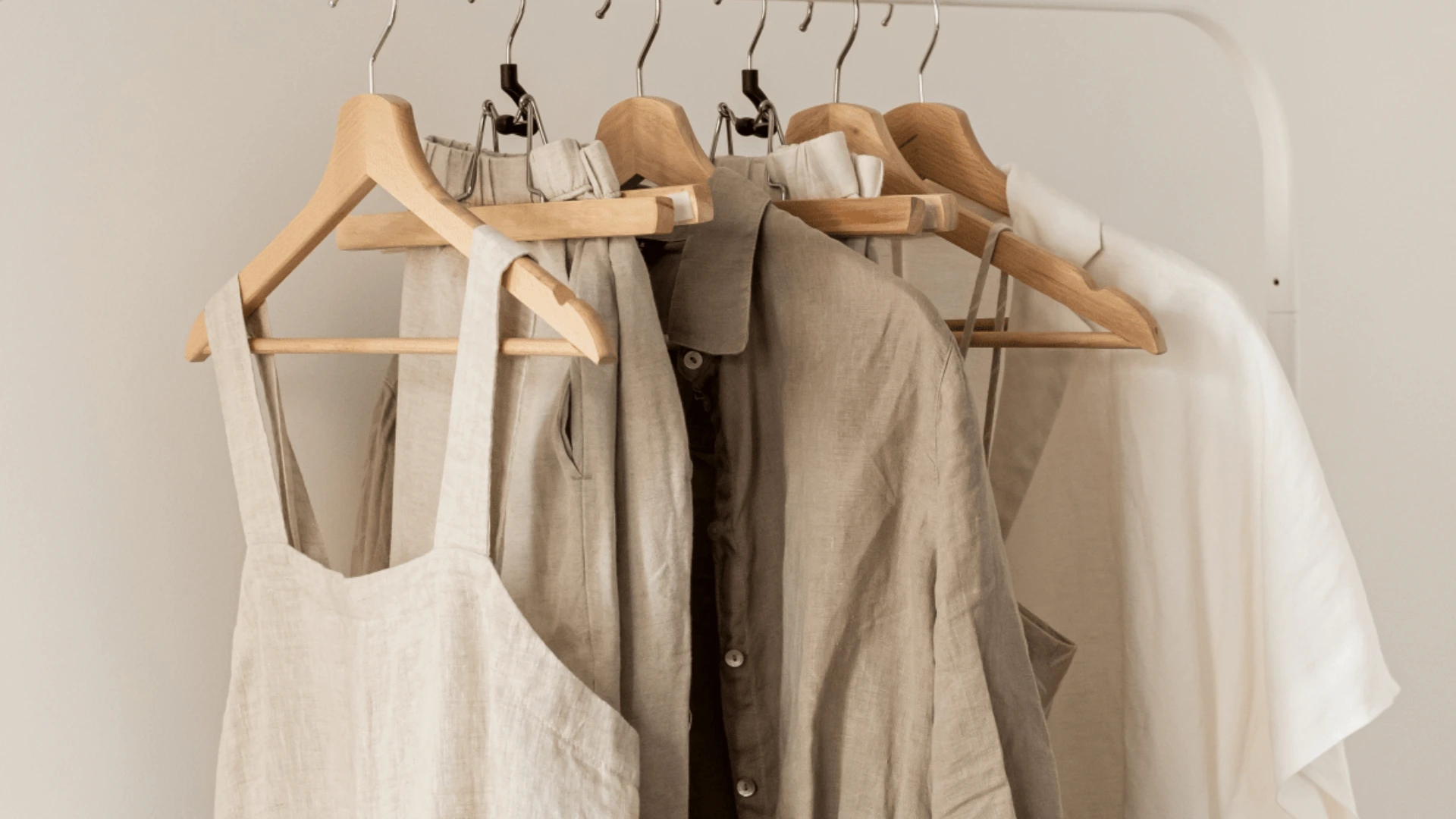
There’s something about a well-fitted linen shirt or a flowing linen dress that just fits San Diego’s lifestyle — relaxed, polished, and perfectly suited to warm weather. And yet, for all its beauty, linen is also one of the most misunderstood fabrics when it comes to care. A single wrong wash cycle or too much dryer heat can leave your favorite piece shrunken, stiff, or permanently misshapen.
The good news is that once you understand how linen actually works (the science behind the fiber), caring for it becomes much more intuitive. At Magic Touch Cleaners, we’ve been handling San Diego’s most treasured garments for over two decades, and linen pieces are among the ones our team treats with the greatest attention and expertise. Here’s everything you need to know.
What Kind of Fabric Is Linen?
Linen is a natural fiber made from the stalks of the flax plant. It’s one of the oldest textiles in recorded history, and it remains one of the most sought-after warm-weather fabrics for very good reasons: it’s exceptionally breathable, naturally moisture-wicking, and gets softer and more beautiful with every careful wash.
What makes linen special also makes it delicate. The flax fibers that give linen its strength and texture have very low elasticity, which means they don’t stretch and recover the way cotton or synthetic fibers do. They respond strongly to heat, water, and mechanical stress. Understanding this is the key to keeping linen in great condition for years.
Why Does Linen Wrinkle So Easily?
This is the question linen lovers ask most often, and the answer lies in the fiber’s structure.
Because linen fibers have almost no natural elasticity, they don’t spring back after being bent, compressed, or creased. The moment you sit down, fold a sleeve, or stuff a linen piece into a bag, the fibers hold that shape. The result is the characteristic wrinkling that linen is famous for.
Some people embrace this as part of linen’s charm — and honestly, a relaxed, slightly rumpled linen look is entirely on-trend. But when you want a crisp, polished finish for a work event, a dinner, or a special occasion, home ironing alone often falls short. The reason is that linen needs the right combination of steam, pressure, and temperature to truly relax the fibers into a smooth, even surface.
Professional pressing does exactly that. The equipment used by garment care specialists works at a level of precision that a home iron simply can’t replicate. The result is a finish that stays neat far longer and doesn’t risk scorching or flattening the weave, both of which can happen with home irons set too high.
For this reason, many San Diego residents who rely on linen as part of their everyday wardrobe find that a routine professional press keeps their pieces looking consistently sharp throughout the season.
Does Linen Shrink? The Truth About Heat and Linen Fibers
Yes, and this is where the most common and most heartbreaking linen mistakes happen.
Linen is highly susceptible to shrinkage when exposed to hot water or high dryer heat. The flax fibers, which are naturally held under some tension in the woven fabric, tighten and contract when heat and moisture are introduced together. Depending on the weave and the garment’s construction, this can mean a reduction of one full size or more after a single incorrect wash cycle.
The shrinkage also tends to be uneven. Side seams can pull. Hems can ride up. Shoulders can narrow. Once a linen garment has shrunk, reversing the damage is extremely difficult, and in most cases, impossible to do fully.
What temperature should I wash linen at?
Cold water is always the safest choice for linen. A gentle or delicate cycle in cold water significantly reduces the risk of shrinkage and fiber stress. For linen pieces that are loosely woven or especially lightweight, hand washing in cool water is even better.
Hot water, on the other hand, accelerates fiber contraction. Even warm water can cause gradual shrinkage over multiple washes, which is why a garment that fits perfectly in spring may feel noticeably tighter by the end of summer if it’s been washed in warm water repeatedly.
Can I put linen in the dryer?
The dryer is where most linen damage happens. High heat causes rapid, aggressive fiber contraction, and most home dryers run hotter than people realize, even on “medium” settings. The tumbling action adds mechanical stress on top of the heat, which compounds the problem.
Air drying is strongly recommended for linen. Laying the piece flat on a clean surface (rather than hanging it, which can stretch the fabric unevenly while damp) and keeping it away from direct sunlight preserves both the shape and the color. Linen dries relatively quickly, especially in San Diego’s warm, dry air, so air drying is genuinely convenient here.
Structured Linen vs. Casual Linen: Two Different Care Approaches
One important distinction that often gets overlooked is the difference between casual linen pieces and structured or tailored linen garments. They look similar on a hanger, but they need to be treated quite differently.
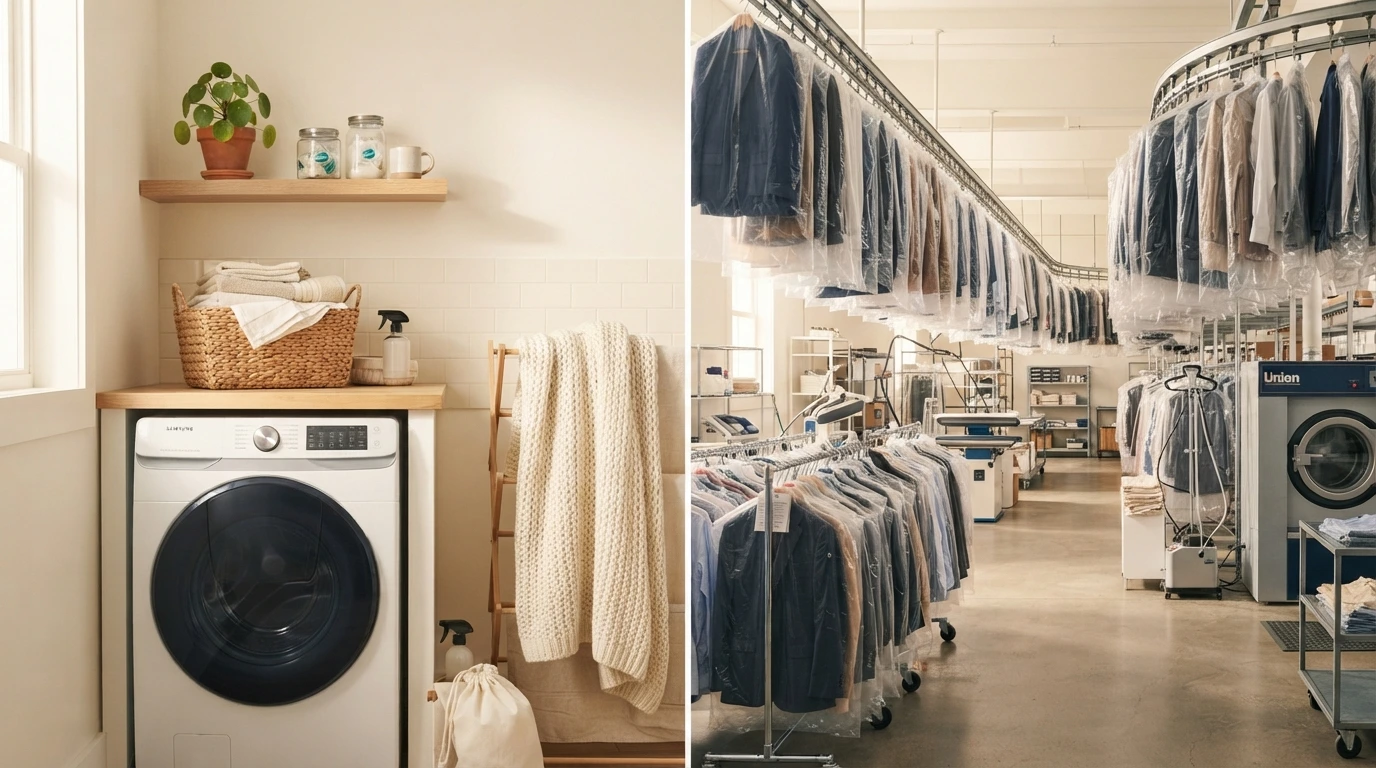
Casual linen — t-shirts, simple trousers, everyday tops, beachwear — is generally more forgiving. These pieces are typically unlined, loosely constructed, and designed to be washed at home. Cold water, gentle cycle, air dry: that’s usually all they need.
Structured linen — blazers, linen suits, lined dresses, tailored trousers, and any piece with interfacing or special construction — is a different matter entirely. The inner structure of these garments is often made from different materials than the outer linen shell. Hot water and mechanical washing can cause the layers to shrink at different rates, leading to bubbling, puckering, and warping that ruins the garment’s shape permanently.
For structured linen pieces, professional dry cleaning is the most reliable path. The process cleans the garment thoroughly without introducing the water and heat that cause shrinkage and structural damage. At Magic Touch Cleaners, every tailored linen piece goes through a careful inspection before cleaning. We assess the fabric, the construction, and the specific care needs of each garment before choosing the right method.
Frequently Asked Questions About Linen Care
1. Can linen be dry cleaned?
Absolutely — and for many linen pieces, especially tailored or structured ones, dry cleaning is the preferred method. It removes dirt, oils, and odors effectively without the heat and water exposure that causes shrinkage. After cleaning, a professional press restores the fabric’s smooth, crisp appearance.
2. How do I get wrinkles out of linen without an iron?
Hanging a linen garment in a steamy bathroom for 15–20 minutes can relax minor wrinkles. A handheld garment steamer also works well for linen and is gentler than direct iron contact. For best results on dress-quality or tailored linen, a professional steam press gives the smoothest and longest-lasting finish.
3. Why does my linen feel stiff after washing?
Stiffness in washed linen usually comes from mineral deposits in hard water, from detergent residue that wasn’t fully rinsed out, or from air drying in a position that didn’t allow the fibers to relax. Adding a small amount of white vinegar to the rinse cycle can help soften linen naturally. A professional dry cleaner will also produce a noticeably softer result because the process is precisely controlled from water quality to finishing.
4. How often should linen be cleaned?
Linen is naturally moisture-wicking and has some inherent resistance to odor, which means it doesn’t always need to be cleaned after every single wear. Airing linen pieces out between wears can extend the time between cleans without any loss of freshness. When the garment does need cleaning, following the right method for its construction keeps it looking great for many seasons.
Caring for Your Linen in San Diego’s Summer Heat
San Diego’s warm climate is ideal for linen — but repeated wear, perspiration, and frequent cleaning cycles accumulate fast over a season. Giving your linen the right care at every step keeps your favorite pieces beautiful not just for one summer, but for many.
At Magic Touch Cleaners and Alterations, our team carefully inspects every garment before cleaning and finishes with a professional press. We also offer free pickup and delivery throughout San Diego, so professional linen care has never been more effortless.
Visit us at Point Loma (955 Catalina Blvd) or Downtown Little Italy (1453 Kettner Blvd) — or let us come to you.
Magic Touch Cleaners and Alterations — San Diego’s trusted garment care specialists for over 20 years.
Dry cleaning & laundry, your way.
Drop off at either San Diego store, or schedule free pickup and delivery.